Breast Cancer Awareness Month occurs every October as part of a global effort to educate the public about breast cancer. It also promotes early detection and supports research for better treatments and outcomes.
In the U.S., 1 in 8 women will receive a breast cancer diagnosis in their lifetime, according to the National Breast Cancer Foundation Inc. Health awareness in older adults highlights the importance of regular screenings and risk reduction.
Maintaining optimal senior breast health involves consistent checkups. Regularly communicating with healthcare providers helps detect issues early.
Discover ways to protect and monitor senior breast health in Camby, IN, below.
What Is the Best Way to Detect Breast Cancer Early?
Early detection improves treatment options. The best way to detect breast cancer early is through regular screenings.
Mammograms can identify changes in breast tissue before symptoms appear. Conducting regular self-exams helps you notice unusual lumps or thickening.
Pay attention to skin dimpling or nipple discharge. Persistent breast or underarm pain should not be ignored. You should also take notice of any changes in shape.
Staying proactive empowers you to take control of your health. Reporting any changes to a healthcare provider promptly can lead to faster diagnosis.
When Should You Start Getting Mammograms?
Keck Medicine of USC recommends that women at average risk start mammograms at age 40. However, this is often regarded as standard screening guidance.
Those with higher risk, such as a family history of breast cancer, might need to begin earlier. Screening frequency depends on personal risk factors and medical guidance. Some high-risk women may need to start as early as 25.
Regular mammograms allow doctors to monitor changes over time. Discussing your risk profile with a healthcare provider helps create a tailored screening plan.
Staying consistent with recommended schedules improves treatment options and health awareness in older adults.
What Questions Should I Ask My Doctor During a Screening?
During a screening, it's important to guide the conversation with the right questions. You might ask, "What do my mammogram results mean?", and "Do I need any follow-up tests?"
Discussing your personal risk level can clarify how often screenings are needed. It is also useful to ask, "What breast changes should I report right away?"
You could also ask, "Are there newer screening methods I should know about?" to determine the most effective approach.
Establishing an open dialogue ensures clarity and builds confidence in your care.
Does Having a Family History of Breast Cancer Guarantee You'll Get It?
Johns Hopkins Medicine reveals that around 10% of breast cancers are related to inherited genes like the BRCA1 and BRCA2 genes.
However, having a family history of breast cancer does not mean you will develop it. It means it increases your risk compared to the general population.
Genetics are only one part of the picture. Lifestyle choices and environment also factor into the matter.
Regular screenings and honest discussions with your doctor help you stay proactive and protected.
How Can I Participate in Breast Cancer Awareness Month Events?
Participating in Breast Cancer Awareness Month is a meaningful way to show support. Check out volunteer opportunities with groups that support patients and families.
Local hospitals often organize free screenings or educational talks. Many communities host walks or runs that raise funds for research.
Fundraising through social media or workplace initiatives makes a difference as well. Small actions, like wearing pink or sharing information, matter.
Attending awareness month activities and events helps spread knowledge and build connections. Every effort adds strength to the larger fight against breast cancer.
How Can You Support Breast Cancer Patients and Survivors?
Supporting breast cancer patients and survivors can make a big difference. Thoughtful gestures, such as sending cards or checking in regularly, can mean a lot.
Offer emotional support by listening and being present. Help with daily tasks, such as cooking or cleaning. You can also provide transportation to appointments when needed.
Donate to organizations that fund research or provide patient services. Participate in support groups or community events to show solidarity.
Your encouragement and practical help can improve their overall well-being and sense of hope.
Frequently Asked Questions
Does Physical Activity Reduce the Risk of Breast Cancer?
Yes. Physical activity can help reduce the risk of breast cancer. It supports hormone balance and helps maintain a healthy weight.
Regular movement also strengthens the immune system and improves your body's circulation. Consistency matters more than intensity for long-term results.
Activities like walking or swimming enhance overall fitness and stamina. Strength training adds benefits and builds muscle over time.
Pairing exercise with a balanced diet further improves protection. Daily physical activity significantly contributes to maintaining optimal breast health.
What Role Does Diet Play in Preventing Breast Cancer?
Diet plays an important role in reducing breast cancer risk. Eating fruits and vegetables provides essential vitamins. Antioxidants in these foods help protect cells.
Whole grains support overall health. Lean proteins help maintain a healthy weight. Limiting processed foods and daily sugar intake reduces risk.
Healthy fats, like nuts and olive oil, are beneficial. Staying hydrated supports body functions. Moderating alcohol intake further lowers risk.
Combining balanced nutrition with exercise strengthens protection. A mindful diet supports long-term breast health.
Are Mammograms Painful?
Mammograms can cause some brief discomfort. The procedure involves compressing the breast to get clear images.
Many people describe the sensation as a pinching pressure rather than sharp pain. Timing your mammogram when your breasts are less tender can help.
Technicians use positioning and padding to reduce discomfort. Communicating with the staff about any pain can make the process easier.
The benefits of early detection outweigh any temporary discomfort. Most people tolerate mammograms well. Staying relaxed helps the procedure go smoothly.
Discover Quality Senior Living at Worthington Place Assisted Living in Camby, IN, Today
Breast cancer awareness is essential for maintaining health at every age, but it's especially vital for seniors. Breast Cancer Awareness Month emphasizes the value of early detection and education. Staying proactive with screenings and healthy habits empowers individuals and supports better long-term outcomes.
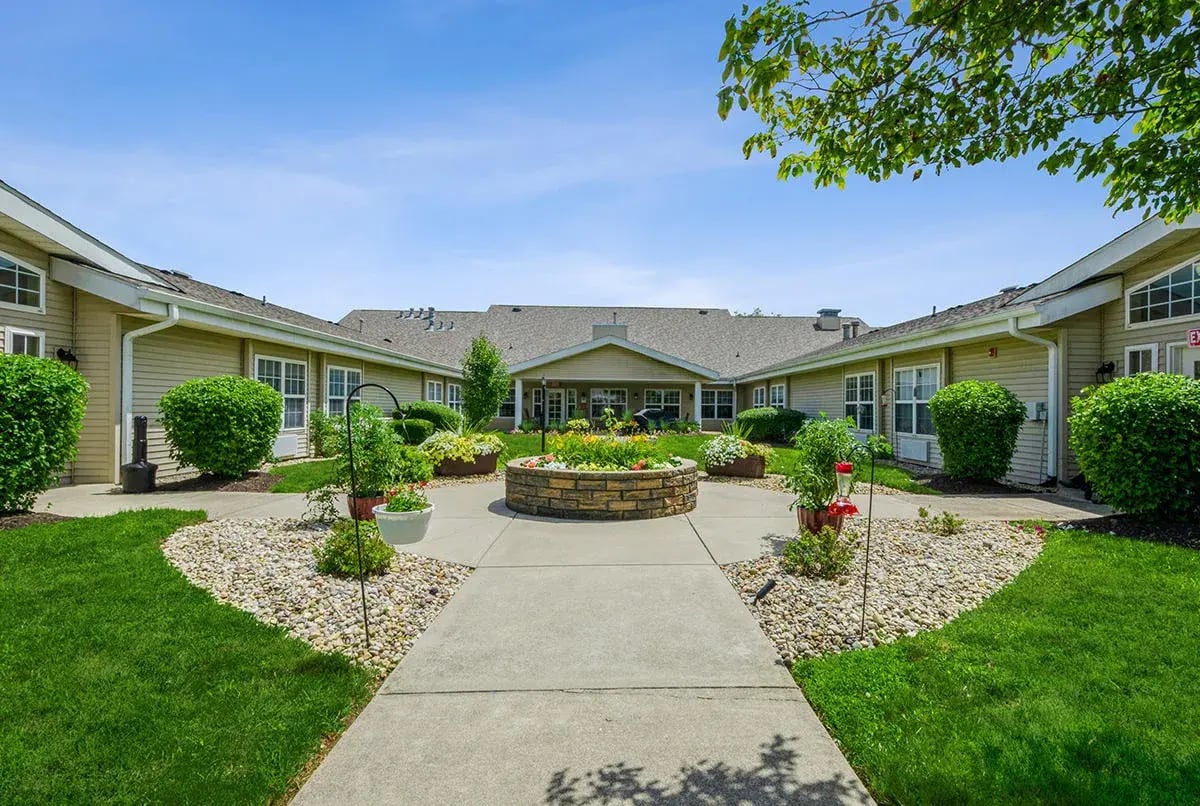
Worthington Place Assisted Living, located in Camby, IN, offers comfortable Assisted Living accommodations. Our community provides personalized support and engaging activities so residents can always feel at home. We prioritize wellness and provide compassionate care to every resident.
Contact Worthington Place Assisted Living today to request more information or to schedule your community tour.